Friday, August 7, 2026

VARANASI TRAVEL GUIDE: GHATS,EVENING GANGA AARTI & SPRITUAL EXPERIENCE


The Spiritual Heart of India: The Ultimate Varanasi Travel Guide, Ghats & Evening Ganga Aarti

There are few places on earth as ancient, intense, and profoundly spiritual as Varanasi. Known variously as Kashi (the City of Light) or Banaras, this is one of the oldest continuously inhabited cities in the world. Straddling the crescent-shaped banks of the sacred River Ganges, Varanasi is not just a destination you visit—it is an experience that overwhelms the senses and stays with your soul forever.

If you are crafting a detailed cultural and spiritual guide for your blog, here is everything your readers need to know to experience the magic of Varanasi.

1. The Sacred Ghats: A Riverbank Like No Other

The lifeblood of Varanasi flows along its Ghats—a monumental stretch of over 80 stone-terraced steps leading down to the River Ganges. Walking or taking a boat along the ghats reveals a living tapestry of Hindu rituals, morning prayers, laundry being washed, and quiet contemplation.

  • Dashashwamedh Ghat: The most vibrant and central ghat, famous worldwide as the grand stage for the daily evening Ganga Aarti.

  • Manikarnika Ghat: The primary cremation ghat. Operating 24/7 for centuries, it is a place of profound philosophical weight. Blogger's Note: Photography is strictly prohibited here out of respect for grieving families, but witnessing it from a distance on a boat offers a stark reminder of life and mortality.

  • Assi Ghat: Located at the southern end, this is where the morning starts with "Subah-e-Banaras"—a serene gathering featuring morning prayers, classical music, and yoga by the water. It is significantly more relaxed than Dashashwamedh.

  • Scindia Ghat: Famous for its picturesque, dramatically leaning Shiva temple partially submerged in the river.

2. The Magnificent Evening Ganga Aarti

Witnessing the Ganga Aarti (ritual of worship to the river goddess) is the absolute pinnacle of any Varanasi itinerary. Every single evening, just after sunset, priests perform a synchronized, mesmerizing ritual of fire, smoke, and sound.

  • The Experience: Priests dressed in bright saffron robes stand on wooden platforms holding massive, multi-tiered brass oil lamps (agharis), conch shells, incense, and feathered whisks. The air fills with the rhythmic chanting of Vedic mantras, the ringing of bells, and the scent of sandalwood.

  • How to Watch It:

    • From a Boat: Rent a rowboat and anchor just offshore for a front-row, unobstructed view of the ceremony away from the dense land crowds.

    • From the Ghat Steps: Arrive at least 45 minutes early at Dashashwamedh Ghat to grab a spot on the steps, or book a rooftop cafĂ© overlooking the plaza.

3. Immersive Spiritual Experiences

Varanasi offers a deeply personal spiritual awakening, whether you are religiously inclined or simply a cultural seeker.

ExperienceWhat to ExpectBest Time
Sunrise Boat RideGlide silently past the ghats as the morning mist lifts, watching thousands of pilgrims perform their morning rituals and holy dips.Dawn (5:30 AM – 7:00 AM)
Kashi Vishwanath TempleVisit one of the most revered Hindu temples dedicated to Lord Shiva (the Golden Temple), featuring striking gold-plated spires.Early morning or late evening
Narrow Lane (Gali) ExplorationGet intentionally lost in the labyrinthine alleys behind the ghats, filled with silk weavers, hidden shrines, street food stalls, and roaming cows.Mid-afternoon
Sarnath ExcursionA brief 30-minute drive outside the chaotic city brings you to Sarnath, where Buddha gave his very first sermon. It offers peaceful monastic ruins and a massive stupa.Afternoon

4. Culinary & Cultural Highlights

Banaras has a distinct, rich food culture that you cannot miss.

  • Street Food Favorites: Try a piping hot kachori-sabzi for breakfast, cool down with a traditional Banarasi Paan, and indulge in Malaiyyo (a delicate, seasonal winter milk-foam dessert flavored with saffron and cardamom).

  • Handloom Silk: Varanasi is globally renowned for its exquisite Banarasi silk sarees and fabrics. Take time to visit a local weaver’s cooperative in the old lanes.

5. Blogger’s Practical Travel Guide

  • Best Time to Visit: October to March provides cool, comfortable weather for walking the ghats. Pro-tip: Visiting during Dev Deepawali (typically November, 15 days after Diwali) lights up every single ghat with over a million earthen lamps (diyas), creating an unforgettable spectacle.

  • Where to Stay: For heritage charm, stay at properties right on or near the ghats (like Brijrama Palace, a historic fort-hotel overlooking the Ganges). For standard modern luxury, international chains are located further away from the old city maze.

  • Etiquette Reminder: Varanasi is deeply sacred and conservative. Dress modestly (covering shoulders and knees), always ask permission before taking photos of individuals performing rituals, and keep your shoes off when stepping onto the ghat platforms or near temples.

Tuesday, August 4, 2026

Explore Kashmir: Best Places to Visit, Top Things to Do & Essential Travel Tips


Often called "Paradise on Earth," Kashmir is one of India's most breathtaking travel destinations. Surrounded by the majestic Himalayas, the region is known for its snow-capped mountains, crystal-clear lakes, lush valleys, colorful gardens, and warm hospitality. Whether you're planning a family holiday, a honeymoon, or an adventure trip, Kashmir offers unforgettable experiences in every season.

Begin your journey in Srinagar, where a peaceful Shikara ride on Dal Lake and a stay in a traditional houseboat create memories that last a lifetime. Visit the beautiful Mughal Gardens, explore the bustling local markets, and enjoy authentic Kashmiri cuisine.

Head to Gulmarg, a paradise for nature lovers and adventure seekers. Enjoy the famous Gulmarg Gondola, one of the highest cable cars in the world, go skiing during winter, or simply admire the stunning mountain views throughout the year.

Discover the scenic beauty of Pahalgam, surrounded by pine forests, rivers, and green meadows. It's the perfect destination for leisurely walks, pony rides, river rafting, and relaxing in nature. Sonamarg, known as the "Meadow of Gold," offers spectacular landscapes, glaciers, trekking routes, and breathtaking photography opportunities.

Don't miss local experiences like shopping for handmade Pashmina shawls, Kashmiri carpets, saffron, dry fruits, and traditional handicrafts. Taste delicious local dishes such as Rogan Josh, Dum Aloo, Yakhni, and Kahwa tea for a true taste of Kashmir.

Essential Travel Tips

  • Visit between March and October for pleasant weather and blooming gardens.
  • Travel between December and February if you want to experience snowfall and winter sports.
  • Carry warm clothing, as temperatures can change quickly, especially in the mountains.
  • Book hotels and transportation in advance during peak tourist seasons.
  • Respect local customs and help preserve Kashmir's natural beauty by avoiding littering.

From peaceful lakes and picturesque valleys to thrilling adventures and rich cultural experiences, Kashmir promises a journey filled with unforgettable moments. Whether it's your first visit or a return trip, this Himalayan paradise will leave you wanting to come back again.


INDIAN TOUR

Monday, August 3, 2026

Ranthambore Tour -A Wildlife Travel Guide


About Ranthambore

Ranthambore is one of India's most famous wildlife destinations, located in the Sawai Madhopur district of Rajasthan. Renowned for its thriving population of Royal Bengal Tigers, Ranthambore National Park attracts thousands of nature lovers, wildlife photographers, and adventure enthusiasts every year. The park is part of the larger Ranthambore Tiger Reserve and is one of the best places in the country to observe tigers in their natural habitat.

Originally established as the royal hunting grounds of the Maharajas of Jaipur, Ranthambore was declared a wildlife sanctuary in 1955 and later became a national park in 1980. It is also an important part of Project Tiger, a conservation initiative launched to protect India's tiger population. Today, the park is recognized for its successful wildlife conservation efforts and rich biodiversity.

The landscape of Ranthambore is a beautiful combination of dry deciduous forests, rocky hills, open grasslands, lakes, rivers, and ancient banyan trees. Besides tigers, the park is home to leopards, sloth bears, striped hyenas, jackals, crocodiles, sambar deer, spotted deer, nilgai, wild boars, langurs, and more than 300 species of birds. This diverse ecosystem makes Ranthambore an ideal destination for wildlife enthusiasts and bird watchers.

One of the park's most iconic landmarks is the historic Ranthambore Fort, a UNESCO World Heritage Site that stands majestically on a hill overlooking the forest. Visitors can also explore beautiful lakes such as Padam Talao, Malik Talao, and Rajbagh Talao, where wildlife is often seen gathering, especially during the early morning and late afternoon.

The main attraction of Ranthambore is its thrilling Jeep and Canter Safaris, which take visitors deep into the forest to observe wildlife in its natural environment. Each safari offers a unique experience, with opportunities to spot tigers, leopards, crocodiles, birds, and many other animals while enjoying the park's scenic beauty.

The best time to visit Ranthambore is from October to June, when the park is open for tourism. Pleasant winter weather from October to February is ideal for sightseeing and birdwatching, while the hotter months of March to June provide excellent opportunities for tiger sightings near water sources.

Whether you are interested in wildlife, photography, history, or nature, Ranthambore offers an unforgettable travel experience. Its remarkable blend of rich biodiversity, historic heritage, and breathtaking landscapes makes it one of the most popular national parks and wildlife destinations in India.

Tuesday, June 9, 2026

Adventure Tourism in India


Adventure tourism in India is becoming very popular among travelers who seek thrill, excitement, and unique outdoor experiences. India offers a wide variety of adventure activities because of its diverse geography, including mountains, deserts, rivers, and forests. In the northern region, the Himalayan states like Himachal Pradesh and Uttarakhand are famous for trekking, river rafting, paragliding, skiing, and camping. Places like Manali, Rishikesh, and Auli attract adventure lovers from all over the world. In western India, the desert state of Rajasthan offers exciting desert safaris, camel rides, and jeep safaris in the Thar Desert, especially in cities like Jaisalmer. In the southern region, activities such as scuba diving, snorkeling, and water sports are popular in coastal areas like Goa and the Andaman Islands. India also offers jungle safaris in national parks where tourists can see wildlife such as tigers, elephants, and leopards. Adventure tourism not only provides excitement but also helps promote tourism, supports local communities, and showcases India’s natural beauty. Overall, India is a perfect destination for adventure seekers because it offers a mix of mountains, deserts, rivers, and seas, making every experience unique and memorable.

Adventure tourism in India is a rapidly growing sector that attracts both domestic and international tourists due to its wide range of thrilling activities and diverse landscapes. The country’s geography plays a major role in offering different types of adventures, from the snow-covered peaks of the Himalayas to the sandy deserts and long coastal beaches. In northern India, states like Himachal Pradesh and Uttarakhand are major hubs for trekking, mountaineering, rock climbing, river rafting, and skiing. Destinations such as Manali, Rishikesh, and Leh-Ladakh are especially famous for extreme adventure sports and attract backpackers and adventure enthusiasts throughout the year.

In western India, the desert landscapes of Rajasthan provide unique experiences like camel safaris, dune bashing, and jeep safaris in places such as Jaisalmer and Jodhpur. These activities allow tourists to explore the vast Thar Desert while also experiencing local culture, folk music, and traditional Rajasthani hospitality. In the southern and coastal regions, adventure tourism includes scuba diving, parasailing, jet skiing, and snorkeling, especially in Goa and the Andaman and Nicobar Islands. These destinations are known for their clear waters, coral reefs, and vibrant marine life.

India also offers jungle safaris in famous national parks such as Jim Corbett, Ranthambore, and Bandhavgarh, where tourists can spot wildlife like tigers, elephants, and leopards in their natural habitat. Adventure tourism in India not only provides excitement and thrill but also contributes significantly to the economy by generating employment for local communities and promoting eco-tourism. It encourages awareness about nature conservation and sustainable travel practices. Overall, adventure tourism in India offers a perfect combination of thrill, nature, culture, and exploration, making it one of the most exciting travel experiences in the world.

Adventure Tourism in India 

  • Adventure tourism in India includes thrilling outdoor activities in natural environments like mountains, deserts, rivers, forests, and seas.
  • The Himalayan region in Himachal Pradesh and Uttarakhand is the most popular destination for trekking, mountaineering, skiing, and rock climbing.
  • Activities like river rafting are very famous in Rishikesh, which attracts adventure lovers from all over the world.
  • Snow-based sports such as skiing and snowboarding are popular in places like Auli and Manali.
  • In the desert region of Rajasthan, tourists enjoy camel safari, jeep safari, and dune bashing.
  • Cities like Jaisalmer are especially known for desert adventure activities in the Thar Desert.
  • Coastal adventure tourism is popular in Goa, including parasailing, scuba diving, jet skiing, and banana boat rides.
  • The Andaman and Nicobar Islands offer deep-sea diving and snorkeling to explore coral reefs and marine life.
                                                              THE INDIA TOUR 

Tuesday, May 26, 2026

South India Temple Tour


A South India Temple Tour is one of the most spiritual, cultural, and architecturally fascinating journeys in India, offering travelers an opportunity to explore ancient temples, sacred rituals, vibrant traditions, and centuries-old Dravidian heritage. Covering the beautiful states of Tamil Nadu, Kerala, Karnataka, and Andhra Pradesh, this tour showcases some of the most magnificent temples in the world, known for their towering gopurams, intricate carvings, spiritual atmosphere, and historical significance. The journey is ideal for pilgrims, heritage lovers, photographers, and travelers seeking peace, culture, and divine experiences.

The temple tour often begins in Chennai, the cultural gateway to South India, where visitors explore famous temples such as Kapaleeshwarar Temple and Parthasarathy Temple. From Chennai, travelers move toward the historic temple towns of Tamil Nadu, which are considered the heart of Dravidian temple architecture. One of the most important destinations is Madurai, home to the magnificent Meenakshi Amman Temple. This iconic temple is admired for its colorful towers, detailed sculptures, grand halls, and vibrant evening ceremonies that create a deeply spiritual atmosphere.

Another major highlight of the South India Temple Tour is Thanjavur, famous for the UNESCO-listed Brihadeeswarar Temple, an architectural masterpiece built by the Chola dynasty. The temple’s massive stone structure, ancient frescoes, and impressive Shiva lingam reflect the engineering brilliance and artistic excellence of ancient South India. Travelers also visit Rameswaram, one of the holiest pilgrimage destinations in India, known for the sacred Ramanathaswamy Temple and its long pillared corridors, holy water tanks, and strong connection to the Hindu epic Ramayana.

The tour may also include Tirupati, home to the world-famous Tirumala Venkateswara Temple, one of the richest and most visited pilgrimage sites in the world. Devotees from across the globe visit this sacred hill temple to seek blessings from Lord Venkateswara. In Karnataka, travelers can explore the stunning temple architecture of Belur, Halebidu, and Hampi, where intricate carvings and historical ruins reveal the artistic legacy of ancient South Indian kingdoms.

In addition to temples, the South India Temple Tour offers cultural experiences such as classical dance performances, traditional South Indian cuisine, spiritual rituals, temple festivals, and local handicrafts. Travelers can witness priests performing sacred ceremonies with lamps, flowers, chants, and devotional music that create a peaceful and divine atmosphere. Luxury travelers often combine temple visits with heritage hotels, wellness retreats, Ayurvedic spa treatments, and backwater experiences in Kerala for a more relaxing and complete South Indian holiday.

The South India Temple Tour is not only a pilgrimage journey but also a cultural exploration of India’s ancient civilization, architecture, spirituality, and traditions. With its magnificent temples, sacred legends, artistic brilliance, and warm hospitality, this tour provides an unforgettable experience filled with devotion, history, beauty, and inner peace.


A South India Temple Tour is a remarkable journey through the spiritual heart of India, where ancient traditions, sacred rituals, magnificent architecture, and deep cultural heritage come together to create an unforgettable travel experience. South India is famous for its grand temples dedicated to Hindu gods and goddesses, many of which are thousands of years old and continue to serve as active centers of worship and pilgrimage. The tour covers some of the most culturally rich states of India, including Tamil Nadu, Kerala, Karnataka, and Andhra Pradesh, offering travelers a unique blend of spirituality, art, history, and traditional South Indian hospitality.

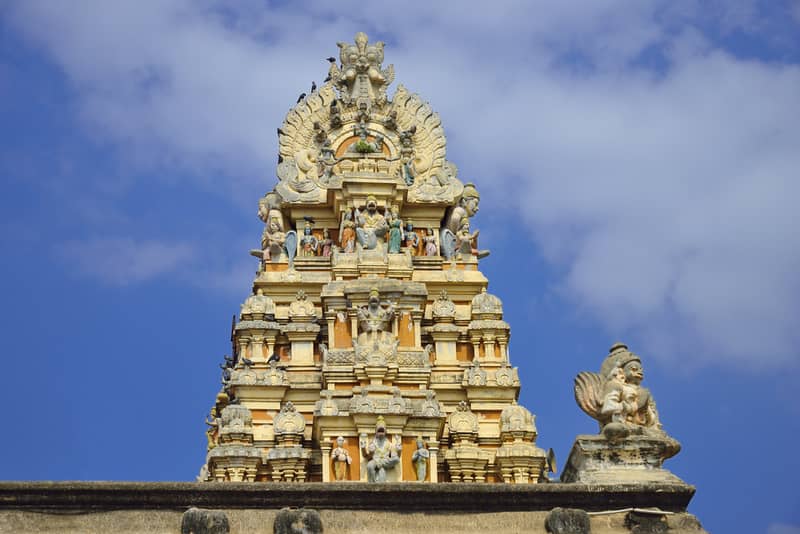
The journey usually begins in Chennai, a vibrant coastal city known for its cultural traditions and historic temples. Visitors explore the sacred Kapaleeshwarar Temple, dedicated to Lord Shiva, and admire its colorful gopuram decorated with hundreds of detailed sculptures depicting scenes from Hindu mythology. The spiritual atmosphere, temple music, flower markets, and aroma of incense create a truly authentic South Indian cultural experience. Travelers also enjoy traditional South Indian cuisine such as dosa, idli, sambhar, and filter coffee while exploring the city’s heritage.

One of the most important highlights of the South India Temple Tour is Madurai, often called the cultural capital of Tamil Nadu. The magnificent Meenakshi Amman Temple stands at the center of the city and is considered one of the finest examples of Dravidian temple architecture. The temple complex is famous for its towering gateways, colorful sculptures, thousand-pillared hall, sacred shrines, and lively spiritual ceremonies. Evening prayer rituals with devotional chants, traditional music, and lamp processions provide visitors with a deeply emotional and spiritual experience.

The tour continues to Thanjavur, home to the majestic Brihadeeswarar Temple, a UNESCO World Heritage Site built during the Chola dynasty. This architectural masterpiece is dedicated to Lord Shiva and is renowned for its enormous stone tower, intricate carvings, ancient frescoes, and engineering brilliance. The temple reflects the artistic excellence and cultural achievements of South India’s golden age. Nearby temple towns such as Kumbakonam and Chidambaram also attract visitors with their sacred temples, spiritual significance, and centuries-old rituals.

Another major pilgrimage destination included in the tour is
Rameswaram
, one of the holiest sites in Hinduism. The sacred Ramanathaswamy Temple is famous for its magnificent corridors, beautifully carved pillars, and holy water tanks where pilgrims perform purification rituals. According to Hindu mythology, Lord Rama prayed here after his victory in Lanka, making the town spiritually significant for devotees from all over the world. The peaceful coastal atmosphere and religious importance of Rameswaram create a powerful spiritual experience for travelers. 

Thursday, May 21, 2026

Dharamshala – The Peaceful Himalayan Destination


Dharamshala – The Peaceful Himalayan Destination

Image


Dharamshala is one of the most beautiful hill stations in northern India, located in the scenic Kangra Valley of Himachal Pradesh. Surrounded by the majestic Dhauladhar mountain range, Dharamshala is famous for its peaceful atmosphere, Tibetan culture, Buddhist monasteries, tea gardens, waterfalls, trekking routes, and pleasant weather throughout the year. The town attracts travelers seeking spirituality, adventure, relaxation, and natural beauty. Dharamshala is also globally known as the residence of Dalai Lama and the center of Tibetan culture in India.

The town is divided into two main parts: Lower Dharamshala and Upper Dharamshala, commonly known as McLeod Ganj. Lower Dharamshala serves as the commercial center with markets, hotels, government offices, and local life, while McLeod Ganj offers a peaceful mountain atmosphere filled with monasteries, cafés, cultural centers, and stunning Himalayan views. Travelers visiting Dharamshala often begin their journey in McLeod Ganj, where Tibetan influence is visible in architecture, prayer flags, handicrafts, monasteries, and traditional food.

One of the most important attractions in Dharamshala is the Tsuglagkhang Complex, the official residence and monastery of the Dalai Lama. The complex includes Buddhist temples, prayer halls, meditation areas, and peaceful surroundings where monks chant prayers and visitors experience spiritual calmness. Travelers from around the world visit this sacred place to learn about Buddhism, meditation, and Tibetan culture. Nearby Tibetan markets offer handicrafts, jewelry, woolen clothes, prayer wheels, and souvenirs that reflect the region’s cultural richness.

Nature lovers enjoy visiting Bhagsunag Waterfall, a beautiful waterfall surrounded by greenery and rocky landscapes. The nearby Bhagsunag Temple is dedicated to Lord Shiva and attracts pilgrims and tourists alike. Small cafés around the waterfall provide relaxing mountain views and local food, making it a popular destination for travelers and backpackers.

Another famous attraction is Namgyal Monastery, one of the largest Tibetan monasteries outside Tibet. The monastery offers a peaceful environment where visitors can observe monks studying Buddhist philosophy, performing rituals, and practicing meditation. The calm atmosphere, prayer wheels, and mountain scenery create a deeply spiritual experience.

Dharamshala is also a paradise for trekking and adventure enthusiasts. The popular Triund Trek offers breathtaking views of the Dhauladhar mountains and Kangra Valley. The trek passes through forests, rocky trails, and scenic landscapes before reaching the beautiful Triund hilltop campsite. Adventure lovers also enjoy camping, hiking, mountain biking, rock climbing, and paragliding in the surrounding regions. During winter, snow-covered landscapes make the area even more magical and attractive for photographers and nature lovers.

The tea gardens of Dharamshala are another major attraction. Spread across green hills, these tea estates produce high-quality Kangra tea and offer peaceful walking experiences with mountain backdrops. Visitors can explore tea plantations, learn about tea production, and enjoy fresh local tea while admiring scenic Himalayan views.

Cricket fans often visit Himachal Pradesh Cricket Association Stadium, considered one of the world’s most beautiful cricket stadiums because of its stunning mountain surroundings. Watching a cricket match here becomes a unique experience due to the breathtaking natural setting.

Dharamshala is also famous for its cafés and international food culture. Travelers can enjoy Tibetan dishes like momos, thukpa, and tingmo, along with Israeli, Italian, and continental cuisine served in cozy mountain cafés. The relaxed atmosphere of McLeod Ganj attracts solo travelers, backpackers, writers, yoga enthusiasts, and spiritual seekers from different countries.

The best time to visit Dharamshala is from March to June for pleasant weather and outdoor activities, while September to November offers clear mountain views and peaceful surroundings after the monsoon season. Winter months bring snowfall to nearby areas, attracting travelers who enjoy cold weather and snow-covered landscapes.

Dharamshala offers a perfect combination of spirituality, adventure, Tibetan culture, and Himalayan beauty. Whether travelers seek meditation, trekking, cultural exploration, photography, or peaceful relaxation, Dharamshala provides an unforgettable mountain experience surrounded by nature and serenity.


Dharamshala is one of the most charming and spiritually rich hill destinations in India, beautifully located in the lap of the Dhauladhar mountain range in Himachal Pradesh. Surrounded by snow-covered peaks, dense forests, waterfalls, tea gardens, monasteries, and peaceful valleys, Dharamshala offers travelers a refreshing escape from busy city life. The destination is famous for its unique blend of Tibetan culture, Buddhist spirituality, scenic landscapes, adventure activities, and relaxed mountain lifestyle. Travelers from all over the world visit Dharamshala to experience peace, meditation, trekking, yoga, local culture, and the beauty of the Himalayas.

The atmosphere of Dharamshala is completely different from many other hill stations because of its strong Tibetan influence. After the arrival of Tibetan refugees and the residence of Dalai Lama, Dharamshala became the cultural center of Tibetan Buddhism in India. This cultural connection is visible everywhere through monasteries, prayer wheels, Tibetan flags, Buddhist chants, traditional architecture, local markets, and peaceful surroundings. The spiritual energy of the town attracts monks, meditation seekers, backpackers, international tourists, photographers, writers, and adventure lovers throughout the year.

Upper Dharamshala, popularly known as McLeod Ganj, is the most visited part of the region. The narrow mountain roads, colorful cafĂ©s, Tibetan handicraft shops, meditation centers, and stunning mountain views create a magical atmosphere. Walking through the streets of McLeod Ganj feels like entering a small Tibetan town hidden in the Himalayas. Travelers enjoy exploring local cafĂ©s, tasting Tibetan food, shopping for handicrafts, and interacting with people from different cultures and countries. 

                                             Dharamshala the himalayan city 

Friday, May 15, 2026

Chennai - Culture and powerhouse of South India


Capital city of Tamil Nadu state, Chennai lies on the Coromandel Coast. Referred as the “Gateway of South”, Chennai is an ideal city to spend a holiday with your loved ones. From shimmering beaches, theme parks, historical buildings and museums, religious sites, shopping hubs to amazing spread of highways and hi end facilities Chennai has a wide variety of choices for every visitor. Chennai Tourism is ideal for all kinds of travel ranging from long family holidays to quick weekend getaway to school or college tours.

History of Chennai

It was called as Chennapattinam by the local residents. There are many stories behind the name of the city. According to some, the name Chennai was given in the honour of Damarla Chennappa Nayakudu, who was the father of Damarla Venkatapathy Nayak, a Nayak ruler, while as per others, the name has been derived from Chenna Kesava Perumal Temple.

The city was also called as Madrasapattinam during Nayakars reign which later became Madras. According to some, the name Madras was given by Portuguese. ‘Mae de Deus’ which is Portuguese phrase meaning mother of God, lead to this name of the city. Later in 1996, the state government changed the name of the city from Madras to Chennai.

Initially Chennai was a fishing village under the reign of Vijayanagar Kingdom which eventually came under British rule. The city was also under the reign of Pallavas, Cholas and Pandyas. Later during Portuguese rule, the city developed further when in 1522 Sao Tome port was constructed. Later in 1612, Dutch settled near Pulicat, after which East India Company came in. However in 1746, the city came under the control of French and later to British in 1749 through a treaty called Treaty of Aix-la-Chapelle.

It was during the British rule that the Fort St. George was built. The same place is now home to many state legislature buildings. The recorded modern history of the city dates back to period when British settled at Fort St. George. While as per Archaeological Survey of India, the city has pre-historic settlements; traces of a megalithic cultural establishment in Pallavaram have been found.

Place to visit in Chennai

While on a Chennai tour, you will many interesting choices for sightseeing. From beaches, lakes, parks to museums, magnificent architectures, art galleries to religious sites, there are many places to see in chennai that are worth exploring. In Chennai with these places to visit you will be pleasantly occupied.

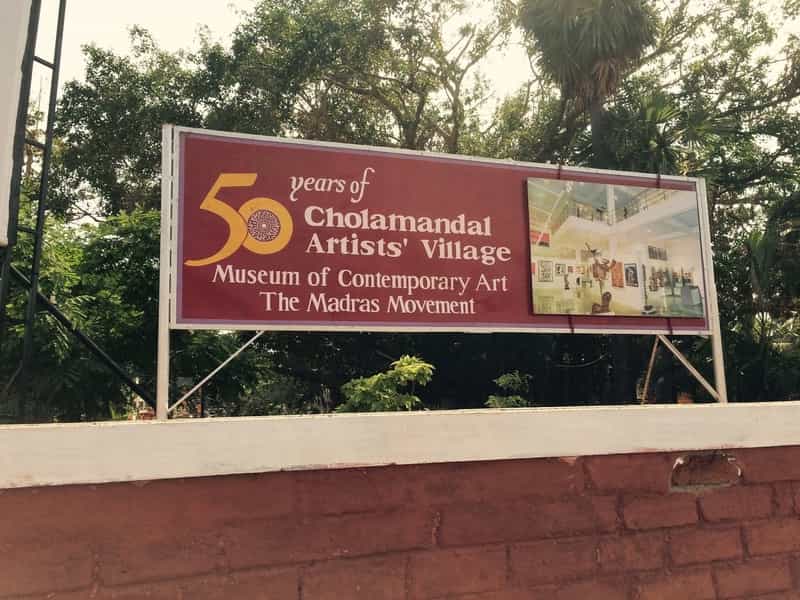
1. Cholamandal Artist’s Village

Cholamandal Artist Village

This village cum museum was constructed in the year 1964 with many amazing collections of arts and craft masterpieces. This place is an attraction to visit in Chennai as the place is maintained by the school students. This place is nothing less than a paradise for the art lovers.

Many artists from around the world visit the place for displaying their work of art and craft along with appreciating the other artist’s work.

  • Distance from Chennai: 22.4 Km
  • Attractions: Art and Craft masterpieces

2. V.G.P. Golden Beach

VGP Golden Beach, Chennai

This place is not only a beach but is also an amusement park which attracts a large number of tourists to Chennai throughout the year. As expected, there are many adventurous activities and water sports that you can enjoy in the park along with your friends and family members.

The park also has mini Jurassic park surroundings which are specially created for the kids. You can buy handicrafts from the nearby shops.

  • Distance from Chennai: 23.4 Km
  • Attractions: Jurassic Park, water activities

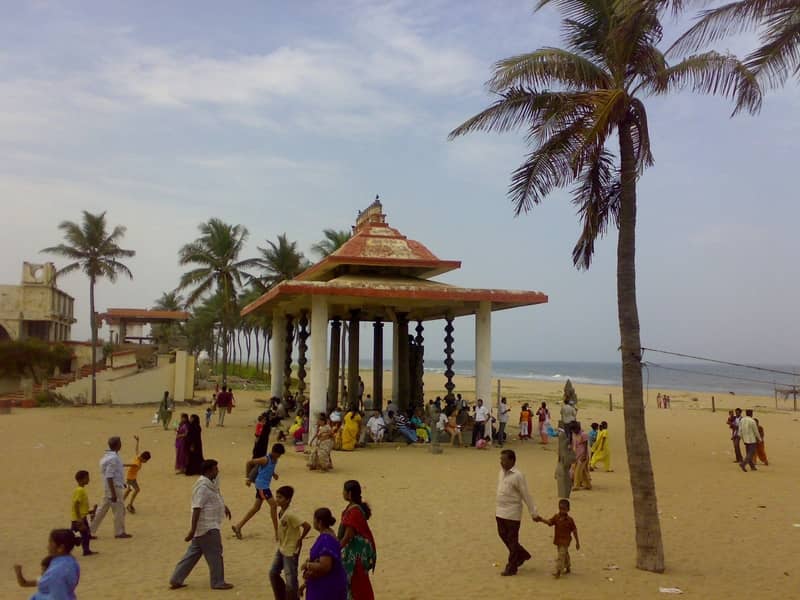
3. Nettukuppam

Nettukappam
Nettukappam

This place is the perfect destination which you can visit to spend some quality time being near to nature. You can visit the place with your family members and can create some lifelong memories which you will cherish. The picturesque locations make sure that your pictures are all perfect.

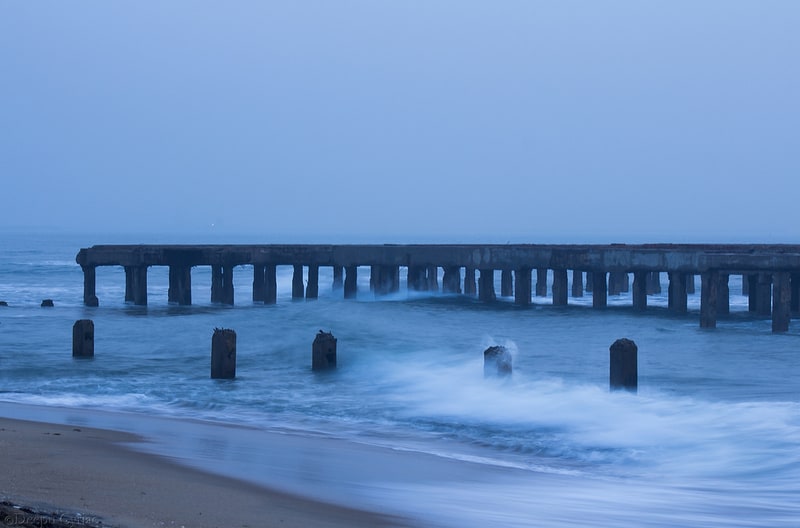
Another attraction that makes people visit the place is the broken bridge which is believed to be broken by the high tides of water.

  • Distance from Chennai: 24 Km
  • Attractions: Nature’s beauty

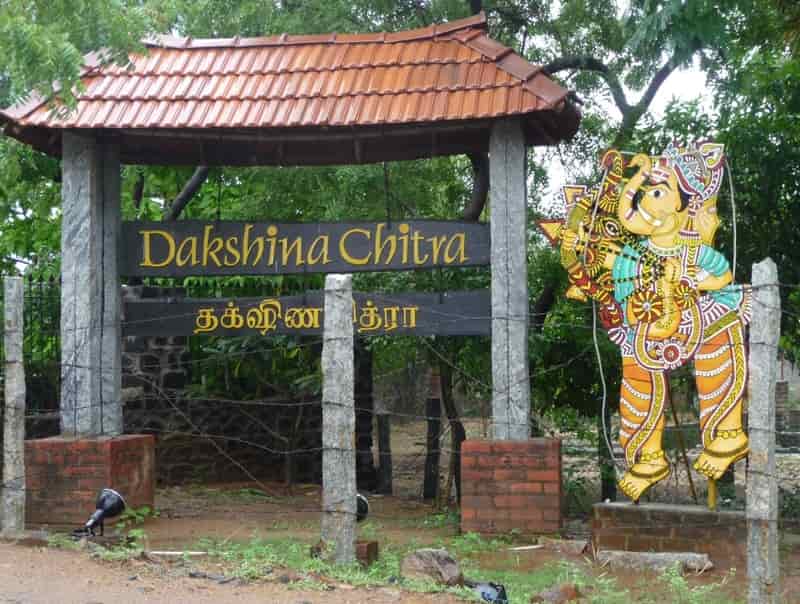
4. Muttukadu and Dakshina Chitra

DakshinaChitra Museum

If you are looking for the perfect picnic spot near Chennai where you can spend some quality time with your family members, then this place would make the best option where you can head to. The place is an excellent example of backwaters in Chennai, reflecting nature’s beauty in the best manner.

Besides admiring the beauty, you can also try your hands on a number of water activities.

  • Distance from Chennai: 33.8 Km
  • Attractions: Picnic destination

5. Covelong Beach

Covelong Beach, Chennai

One of the most popular beaches in Chennai, the Covelong beach is located on the Coromandel Coast. The beauty of the beach needs no introduction or definition as it can give you some of the best picturesque and mesmerizing views to remember for a lifetime.

Apart from cherishing nature’s beauty, you can visit the beach for trying the various adventurous water activities. Thus, if you love water sports, then this is where you should visit.

  • Distance from Chennai: 38.8 Km
  • Attractions: Adventurous water activities

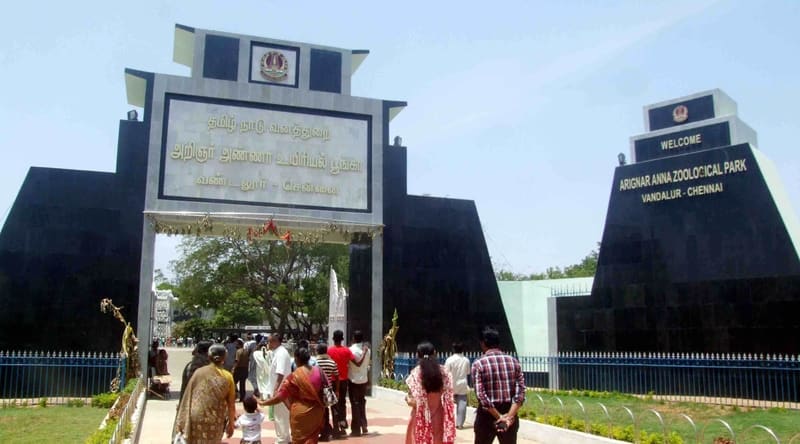
6. Arignar Anna Zoological Park

Arignar Anna Zoological Park

Looking for the finest zoo in Chennai? Arignar Anna Zoological Park is the perfect place to visit. This zoo is the biggest zoo in the entire South East Asia and has a wide range of animals, birds and other spices in the zoo. The zoo was constructed in Chennai in the year 1855.

There are around 170 spices of animals which can be witnessed in the zoo. You can witness some exotic animals.

  • Distance from Chennai: 48.4 Km
  • Attractions: Different spices of animals

7. Tiruvallur

Tiruvallur
Tiruvallur

This place does complete justice for attracting the tourists and visitors with the beauty of its temples. You can find some of the best temples in this place which is not only rich and beautiful in their architecture but are also blessed to solve the troubles and problems of the devotees.

You can visit the place along with your family for exploring some of the ancient temples of Chennai.

  • Distance from Chennai: 49.7 Km
  • Attractions: Beautiful Temples

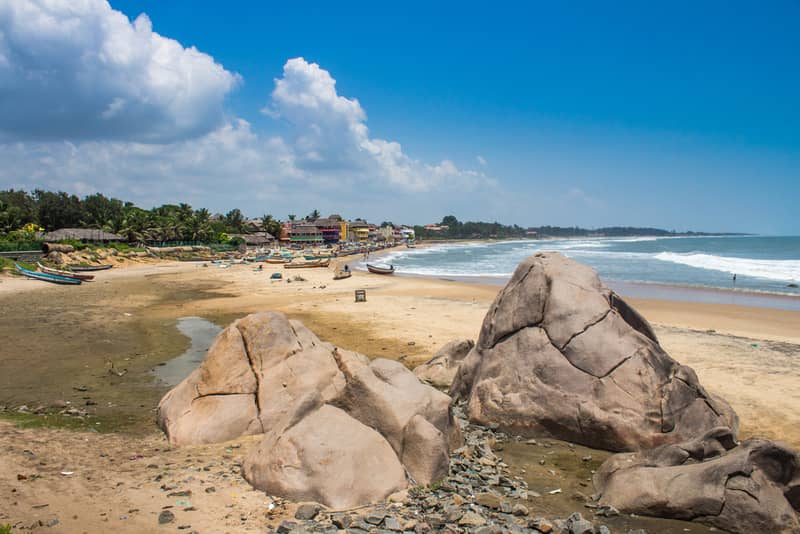
8. Mahabalipuram

Mahabalipuram
Mahabalipuram

Chennai is very rich in its heritage and this place is a perfect example of that. The place is one of the attractive heritage beauties which are visited by the people who want to connect with the deep roots of the city. There are many nearby temples which were built in the 7th century and are still the major attraction for the city. You can learn about many unknown facts about the city from this place.

  • Distance from Chennai: 58 Km
  • Attractions: Heritage beauty

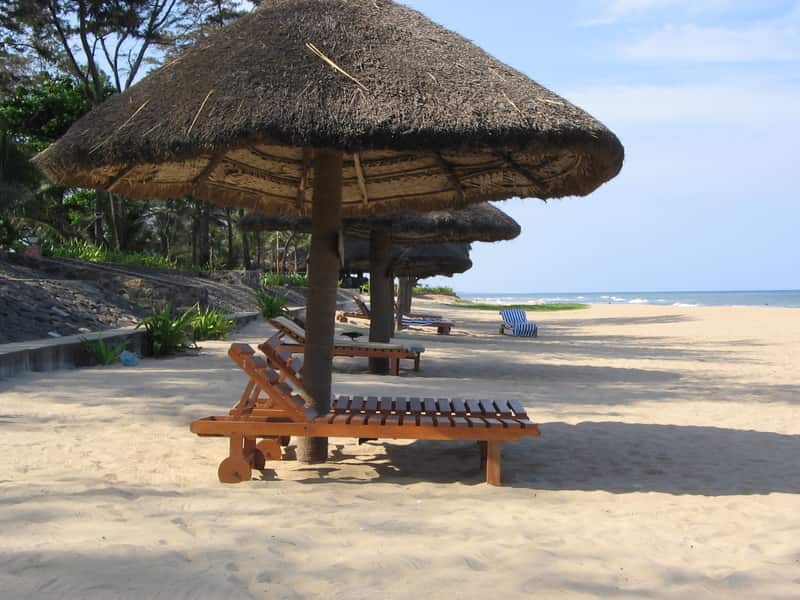
9. Sadras Beach Resort

Sadras Beach Resort
Sadras Beach Resort

This resort is located very near to Mahabalipuram beach and this is one of the most favorite locations of the tourists. The place is well-surrounded by the green trees and the white sand of the beach. Many people love visiting the place to witness many picturesque views along with enjoying the perfect scene of sunset. You can also visit the nearby Old Dutch Fort to experience some class architecture.

  • Distance from Chennai: 70 Km
  • Attractions: Picturesque locations, relaxing, fort’s architectural beauty

10. Nagalapuram

Nagalapuram
Nagalapuram

This is the best place where you can satisfy your adventurous desires. As the place is well-known for trekking, it is one of the most visited places near Chennai by the people who like to explore their adventurous side. The trekking route is another attraction for the people to trek.

You can find many waterfalls and other water reservoirs during your trekking experience. If you are in Chennai, don’t miss visiting this nearby place.

  • Distance from Chennai: 70.4 Km
  • Attractions: Trekking
                                                     CHENNAI BEACH AREAS