Tuesday, April 21, 2026

Manali, Himachal Pradesh: A Himalayan Retreat


 Tourism in Manali, Himachal Pradesh: A Himalayan Retreat

Nestled in the heart of the Kullu Valley, at an altitude of 2,050 meters (6,726 feet), Manali is one of the most popular hill stations in northern India. Located in the state of Himachal Pradesh, this enchanting town is renowned for its lush green landscapes, snow-capped peaks, and thrilling adventure activities. It is a perfect blend of natural beauty, adventure, spirituality, and culture, making it a top destination for both domestic and international tourists. Whether you’re seeking a tranquil escape or an adrenaline rush, Manali offers something for everyone.

Natural Beauty of Manali

Manali is situated on the banks of the Beas River and is surrounded by majestic mountain ranges. The panoramic views of the snow-covered Himalayas in the winter and the green meadows in the summer make it an idyllic destination for nature lovers. The picturesque landscape, with its apple orchards, dense pine forests, and wildflowers, makes for a serene getaway.

The town is blessed with a moderate climate, with cool, crisp summers and chilly winters. While the summer months (March to June) bring pleasant weather, winters (November to February) offer snow-covered landscapes, making it a favorite destination for snow lovers and those wishing to indulge in winter sports.

Adventure Activities in Manali

Manali is a hub for adventure enthusiasts, offering a wide variety of activities that cater to all levels of thrill-seekers. Some of the most popular adventure activities in Manali include:

1. Trekking and Hiking

Manali is home to several trekking trails that attract trekkers from all over the world. Some of the popular treks include the Solang Valley TrekBeas Kund Trek, and Hampta Pass Trek. These treks allow adventurers to explore the rugged terrain, enjoy breathtaking views of the surrounding mountains, and immerse themselves in the natural beauty of the region.

2. Paragliding

For those looking to soar through the skies, paragliding in Solang Valley offers a thrilling experience. The valley is one of the best locations in India for paragliding, with experts guiding you to ensure a safe and exciting flight. From the top, you can enjoy a bird’s-eye view of the lush valleys and the Beas River.

3. River Rafting

The Beas River offers an exciting opportunity for river rafting, with rapids ranging from easy to challenging, making it suitable for both beginners and seasoned adventurers. The rafting experience is especially popular during the summer months when the river is filled with clear, cold water, providing a refreshing adventure.

4. Skiing

In the winter, Manali transforms into a snow-covered wonderland, making it one of the best places in India for skiing. The Solang Valley is a popular skiing destination, with instructors available for beginners. The slopes here offer an exhilarating experience for both novice and experienced skiers.

Spiritual and Cultural Significance

While Manali is famous for its adventure tourism, it also holds deep spiritual and cultural significance. The town is home to several ancient temples, monasteries, and Buddhist gompas that reflect the rich cultural heritage of the region.

1. Hadimba Temple

The Hadimba Temple is one of the most iconic landmarks in Manali. Dedicated to Hadimba, the wife of Bhima from the Mahabharata, this temple is situated amidst cedar forests, making it an enchanting place of worship. The unique wooden architecture and peaceful surroundings add to its mystique, making it a must-visit attraction.

2. Manu Temple

The Manu Temple is dedicated to Sage Manu, believed to be the creator of human race according to Hindu mythology. It is located in Old Manali and provides stunning views of the surrounding mountains. Pilgrims often visit this temple for peace and blessings.

3. Tibetan Monasteries

Manali is home to several Tibetan monasteries, the Gadhan Thekchhokling Gompa being the most notable. This peaceful monastery is a perfect place to reflect and experience Buddhist culture. The vibrant murals, prayer flags, and peaceful atmosphere create a spiritual ambiance.

Popular Tourist Attractions in Manali

Beyond its natural beauty and adventure activities, Manali also offers several other popular tourist spots that are worth exploring.

1. Solang Valley

Solang Valley is a popular spot for adventure activities and a must-visit for all tourists. The valley is located around 13 kilometers from Manali and is famous for its skiing, paragliding, and zorbing activities. In winter, it becomes a snowy paradise for skiers and snow sports enthusiasts, while in the summer, it’s perfect for a relaxing picnic or a nature walk.

2. Rohtang Pass

One of the major highlights of any trip to Manali is the visit to Rohtang Pass, located about 51 kilometers from Manali. Situated at an altitude of 3,978 meters, this high-altitude pass offers stunning views of the snow-covered peaks and is a popular spot for skiing and snowboarding. Due to its location, Rohtang Pass is typically open only between May and November, depending on weather conditions.

3. Old Manali

Old Manali is a charming part of the town, known for its laid-back atmosphere and quaint cottages. It is a popular area for backpackers and travelers who wish to escape the hustle and bustle of the main town. The area is dotted with cafes, guesthouses, and small markets offering local handicrafts, woolens, and souvenirs.

4. Manali Mall Road

Mall Road is the heart of Manali and a great place for shopping and leisure. Lined with shops, cafes, and restaurants, it is an excellent spot to buy traditional woolen clothes, handicrafts, and souvenirs. The road also has various eateries where you can enjoy local Himachali food.

Best Time to Visit Manali

The best time to visit Manali depends on the kind of experience you’re looking for:

  • Summer (March to June): The weather is mild, with daytime temperatures ranging from 10°C to 25°C, making it an ideal time for outdoor activities and sightseeing.
  • Monsoon (July to September): This season brings heavy rainfall, which can cause landslides and disrupt travel. It’s best to avoid visiting during the monsoons.
  • Winter (November to February): For snow lovers and adventure enthusiasts, winter is the best time to visit. The snow-covered landscape and the opportunity for winter sports make Manali a winter wonderland.

How to Reach Manali

Manali is well-connected by road, rail, and air:

  • By Road: The town is connected by National Highway 3 to major cities like Delhi, Chandigarh, and Kullu. It is easily accessible by bus, taxi, or private vehicle.
  • By Rail: The nearest railway station is in Joginder Nagar (about 160 kilometers away), with limited connectivity. However, the Kullu Railway Station is a more popular option.
  • By Air: The nearest airport is the Bhuntar Airport, 50 kilometers away from Manali. However, it has limited flight options, so traveling via Chandigarh or Delhi and then taking a road trip is a common choice.

Monday, April 20, 2026

Mawsynram, Meghalaya


Nestled amidst the lush green forests of the Khasi Hills, Mawsynram has been crowned the rainiest place in the world. It has passed its neighbour and former holder of the title - Cherrapunjee with a fine margin. Mawsynram receives about 11,873 mm of rainfall annually while the annual precipitation of Cherrapunjee comes in at about 11,777 mm. The natives here have adapted to a certain lifestyle which allows them to survive the intense downpour that this locale witnesses almost everyday. Mawsynram also has a lot to offer in terms of sightseeing. It is a paradise for wildlife enthusiasts and backpacking travellers.


A Village Bathed in Rain

Mawsynram receives its intense rainfall due to its unique geographic location — perched on the windward side of the Khasi Hills, where moisture-laden clouds from the Bay of Bengal crash into the hills and release their bounty. The monsoon, which arrives in full force from June to September, transforms the entire region into a lush green paradise. For visitors, the rain is not a deterrent — it's the main attraction.

Despite the constant downpour, life in Mawsynram flows calmly. The locals have adapted beautifully, with thatch-roofed homes built to withstand heavy rain, and traditional rainwear called “knups, made from bamboo and banana leaves.


Top Tourist Attractions in Mawsynram

1. Mawjymbuin Cave

This fascinating limestone cave is one of Mawsynram’s most visited sites. The stalagmite formation inside resembles a Shiva Linga, drawing spiritual tourists and photographers alike. The natural formations in the cave — shaped over thousands of years by flowing water — are stunning and awe-inspiring.

2. Mawphlang Sacred Forest

Just a short drive from Mawsynram, this ancient forest is steeped in Khasi traditions and spiritual beliefs. The forest is home to rare medicinal plants, unique flora, and megalithic stones. The Khasi tribe believes that the spirits of ancestors reside here, and no object — not even a fallen leaf — can be taken from the forest.

3. Krem Puri Cave

Recognized as the longest sandstone cave in the world, Krem Puri stretches over 24 kilometers and offers a thrilling adventure for spelunkers and explorers. Its dark passages, fossils, and narrow tunnels create a surreal underground experience.

4. Nohkalikai Falls (Nearby Attraction)

Although technically in Cherrapunji, Nohkalikai Falls is easily accessible from Mawsynram and is one of India’s tallest plunge waterfalls. During monsoons, it roars to life, cascading from a green cliff into a misty pool.


Local Culture and Lifestyle

Mawsynram is primarily inhabited by the Khasi tribe, one of the major ethnic groups of Meghalaya. The locals live in close harmony with nature, with farming, animal husbandry, and handicrafts being the main livelihoods. Khasi society is matrilineal, where property and lineage pass through the mother’s line — a unique cultural trait that fascinates many visitors.

You’ll often hear melodious Khasi folk songs and see traditional bamboo crafts. The people are warm, welcoming, and proud of their rain-soaked heritage.


When to Visit Mawsynram

  • Monsoon Season (June to September): Ideal for rain lovers and those who want to witness the full power and beauty of Meghalaya’s monsoon. The landscapes are at their greenest.

  • Winter Season (October to February): Pleasant weather with minimal rain. Great for exploring caves and outdoor trekking.

  • Avoid Summer (March to May): It’s the pre-monsoon season, and humidity begins to rise, though it’s still scenic.


Getting There

  • By Air: The nearest airport is Shillong Airport (Umroi), around 80 km away. Guwahati Airport (about 170 km) is better connected to major Indian cities.

  • By Road: Mawsynram is well connected to Shillong by road. Taxis and shared sumos operate regularly.

  • By Train: Guwahati Railway Station is the nearest major railhead.

Traveling to Mawsynram often involves scenic drives through cloud-laden roads, waterfalls, and rolling hills — the journey itself is a memorable experience.


Where to Stay

Mawsynram is a small village, so luxury accommodation is limited. However, visitors can find:

  • Local homestays offering a warm and authentic Khasi experience

  • Eco-resorts and cottages in nearby areas like Cherrapunji or Mawphlang

  • Basic guesthouses and lodges within the village

It’s advisable to book in advance, especially during monsoon months.


Travel Tips

  • Carry rain gear — waterproof clothing, boots, and umbrellas are essential.

  • Respect local customs, especially when visiting sacred forests and caves.

  • Avoid plastic — Mawsynram and surrounding areas are eco-sensitive.

  • Be cautious while walking during monsoons — roads and paths can get slippery.

  • Don’t forget your camera — the landscapes are surreal and photogenic.

Saturday, April 18, 2026

Kumarghat, Tripura Tourism: A Hidden Gem in the Northeast


Nestled in the Unakoti district of Tripura, Kumarghat is a town slowly gaining recognition for its serene surroundings and unique cultural identity. Primarily known as the "land of pineapples" due to its extensive cultivation of the fruit, Kumarghat offers a tranquil escape from the bustling city life. While it may not boast grand historical monuments like Agartala or the intricate rock carvings of Unakoti, Kumarghat presents an opportunity to experience the authentic rural life of Tripura and explore its natural beauty.

The Allure of Kumarghat

Kumarghat's charm lies in its simplicity and connection to nature. The lush green landscapes, dotted with pineapple plantations, offer a refreshing visual treat. The air is clean, and the pace of life is unhurried, making it an ideal destination for those seeking peace and relaxation.

  • Pineapple Plantations: A visit to Kumarghat is incomplete without experiencing the vast pineapple cultivation. Witnessing the process from cultivation to harvesting can be an insightful experience. The sweet aroma of ripe pineapples fills the air, especially during the harvesting season.
  • Bhabatarini Temple: Dedicated to Goddess Kali, the Bhabatarini Temple is a revered religious site in Kumarghat. Founded in 1981, the temple attracts a significant number of devotees, particularly during Shiva Chaturdashi and Kali Puja. Its peaceful ambiance and spiritual significance make it a must-visit for those seeking a religious experience.
  • Netaji Statue: Located on NH44, the Netaji Statue is a prominent landmark in Kumarghat. It serves as a reminder of India's independence struggle and offers a point of interest for visitors passing through the town.
  • Pabiacharra Market: For a taste of local life, a visit to Pabiacharra Market is highly recommended. This bustling market offers a variety of local products, including fresh produce, handicrafts, and traditional Tripuri items. It's a great place to interact with locals and experience the vibrant atmosphere of a rural Tripura market.
  • Nagar Panchayat Shopping Mall: Situated on NH44, this shopping complex caters to the daily needs of the local population. While not a typical tourist attraction, it provides a glimpse into the everyday life of the residents of Kumarghat.

Exploring Beyond Kumarghat

While Kumarghat itself offers a unique experience, its location provides easy access to other significant tourist destinations in Tripura:

  • Unakoti: Just a short drive from Kumarghat, Unakoti is famous for its magnificent rock-cut sculptures dating back to the 7th-9th centuries. These intricate carvings are a testament to the region's rich history and artistic heritage.
  • Agartala: The state capital, Agartala, is about 140 km from Kumarghat and offers a blend of historical and modern attractions, including the Ujjayanta Palace, Neermahal Water Palace, and the Tripura Government Museum.
  • Jampui Hills: Known for its scenic beauty and orange orchards, Jampui Hills is a popular destination for nature lovers and offers trekking opportunities.
  • Dumboor Lake: This picturesque lake with its surrounding islands is ideal for boating and offers stunning views of the landscape.
  • Sepahijala Wildlife Sanctuary: Located near Agartala, this sanctuary is home to diverse flora and fauna and offers opportunities for wildlife spotting and birdwatching.

Culture and Local Life

The local culture of Kumarghat is deeply rooted in Tripuri traditions, with a significant Bengali population also residing in the area. The primary language spoken is Bengali, along with Kokborok, the language of the Tripuri tribes. The cultivation of pineapples is central to the local economy and way of life. Visitors can experience the warmth and hospitality of the local people and gain insights into their daily routines and customs. Traditional music and dance forms are an integral part of the cultural fabric of Tripura, and while specific performances may not be regularly scheduled in Kumarghat, opportunities to witness these art forms may arise during local festivals or cultural events in nearby towns.

Best Time to Visit and How to Reach

The best time to visit Kumarghat and Tripura, in general, is during the winter months, from October to FebruaryThe weather during this period is pleasant, with temperatures ranging from 10°C to 25°C, making it ideal for sightseeing and exploring.

Connectivity to Kumarghat:

  • By Air: The nearest airport is in Agartala (approximately 140 km away). From the airport, you can hire a taxi or take a bus to reach Kumarghat.
  • By Rail: Kumarghat has its own railway station, which connects it to other parts of Tripura and neighboring states.
  • By Road: Kumarghat is well-connected by road. Buses and private vehicles regularly ply between Kumarghat and other major towns in Tripura, including Agartala. National Highway 44 passes through Kumarghat, ensuring good road connectivity.

Accommodation and Facilities

While Kumarghat may not have an extensive range of luxury accommodations, basic guesthouses and lodges are available for visitors. For more options, tourists can consider staying in Agartala and making day trips to Kumarghat and other nearby attractions. Basic amenities and emergency services like hospitals and police stations are available in Kumarghat.

Wednesday, April 15, 2026

Visit Ranchi: The Cultural and Natural Gem of Jharkhan


Nestled on the eastern edge of the Chotanagpur PlateauRanchi is a city where nature meets heritage, and modern life blends harmoniously with tribal traditions. As the capital of Jharkhand, Ranchi is not only an important administrative center but also a treasure trove of scenic waterfalls, dense forests, tribal culture, and spiritual sanctuaries. For nature lovers, adventurers, and those seeking a peaceful getaway, Ranchi offers an experience that’s refreshing and deeply rooted in the soul of Eastern India.


A Natural Wonderland

One of the biggest reasons travelers flock to Ranchi is its abundant natural beauty. Often referred to as the "City of Waterfalls", Ranchi is blessed with numerous cascading falls surrounded by greenery and rocky hills.

1. Hundru Falls

Located about 45 km from the city, Hundru Falls is one of the most popular tourist destinations. Water from the Subarnarekha River plunges from a height of 98 meters, creating a spectacular sight, especially during the monsoon. The surrounding landscape is perfect for picnics, treks, and photography.

2. Dassam Falls

About 34 km from Ranchi, Dassam Falls is another gem formed by the Kanchi River. With a drop of around 44 meters, it’s a quieter, more serene spot, ideal for those seeking solitude amid nature.

3. Jonha Falls (Gautamdhara)

Named after Gautam Buddha, Jonha Falls is a unique blend of natural beauty and spirituality. A short trek down the stairs rewards visitors with a stunning waterfall and a nearby temple dedicated to Buddha.

4. Rock Garden and Tagore Hill

Perched on Gonda Hill, the Rock Garden offers an artistic display of sculptures carved from rock, with panoramic views of Ranchi. Just a few minutes away, Tagore Hill is a serene hilltop spot named after Rabindranath Tagore, believed to be his place of writing and reflection.


Cultural and Historical Attractions

Ranchi is deeply rooted in tribal heritage and cultural diversity. As the center of Jharkhand’s indigenous communities, it offers visitors a chance to explore their customs, handicrafts, music, and rituals.

1. Tribal Museum

The Ranchi Tribal Museum gives a vivid insight into the lives of the many tribal groups of Jharkhand, including the Santhal, Munda, Oraon, and Ho tribes. From traditional costumes to tools, art, and dwellings, the museum is an essential stop for culture enthusiasts.

2. Ranchi Museum (State Museum Hotwar)

This expansive museum showcases the archaeological, historical, and cultural wealth of Jharkhand, featuring artifacts, ancient coins, sculptures, and a dedicated tribal gallery.

3. Jagannath Temple

Built in 1691 by the king of Barkagarh, this Jagannath Temple resembles the famous Puri temple and is situated on a small hill. It attracts devotees and tourists alike, especially during the Rath Yatra in June-July.

4. Pahari Mandir

Located atop Ranchi Hill, the Pahari Mandir is dedicated to Lord Shiva and offers a spectacular view of the entire city. It also holds patriotic significance as the Indian flag is hoisted here every Independence and Republic Day.


Adventure and Leisure

Ranchi has also begun carving a name for itself in eco-tourism and adventure tourism.

  • Patratu Valley: A breathtaking drive through winding roads, lush hills, and scenic viewpoints. It’s perfect for bike rides, nature walks, and photography.

  • Kanke Dam: A peaceful lakeside picnic spot, ideal for boating and evening strolls.

  • Birsa Zoological Park: Located near Ormanjhi, this modern zoo houses a variety of wildlife including tigers, leopards, elephants, and deer.


Local Cuisine and Shopping

Ranchi’s cuisine is simple yet flavorful, often prepared with locally available grains, vegetables, and tribal spices.

  • Try DhuskaThekuaHandia (rice beer), and Bamboo shoots curry.

  • The Ranchi Bazaar and Main Road markets are great for buying tribal handicraftsdokra art, bamboo products, and local textiles.


Best Time to Visit

The best time to explore Ranchi is during the winter and early spring months (October to March), when the weather is cool and ideal for sightseeing. Monsoon adds beauty to the waterfalls but may limit mobility.


How to Reach Ranchi

  • By AirBirsa Munda Airport connects Ranchi to major Indian cities like Delhi, Mumbai, Kolkata, and Bangalore.

  • By TrainRanchi Railway Station is well connected with regular trains from across the country.

  • By Road: National highways link Ranchi to cities like Patna, Jamshedpur, Kolkata, and Bhubaneswar.

Saturday, April 11, 2026

Discover Uttar Pradesh: The Heart of Incredible India


Uttar Pradesh is not just a state—it is an emotion, a timeless journey through India’s soul. From the marble beauty of the Taj Mahal to the sacred ghats of Varanasi, from the royal elegance of Lucknow to the divine aura of Ayodhya, every corner of this vast northern state tells a story of history, faith, architecture, and living traditions. It is one of India’s most visited travel destinations, known for heritage monuments, pilgrimage circuits, wildlife, food, and colorful festivals.

Why Visit Uttar Pradesh?

Uttar Pradesh offers a complete Indian travel experience:

  • Mughal wonders and UNESCO monuments
  • Ancient spiritual cities
  • Sacred rivers and ghats
  • Royal Nawabi culture
  • Temple festivals and Holi celebrations
  • Wildlife parks and rural landscapes
  • Legendary street food

Whether you are a history lover, spiritual seeker, foodie, or cultural explorer, Uttar Pradesh promises unforgettable memories.


1) Agra – The City of Eternal Love


The city of Agra is world-famous for the Taj Mahal, one of the Seven Wonders of the World. The white marble monument glows beautifully at sunrise and sunset, making it one of the most photographed places on Earth. Nearby, Agra Fort and Fatehpur Sikri showcase the grandeur of Mughal architecture.

Agra is also famous for:

  • Petha sweets
  • Marble handicrafts
  • Mughlai cuisine
  • Mehtab Bagh sunset views

2) Varanasi – The Spiritual Capital of India

Varanasi is one of the world’s oldest living cities. The ghats along the River Ganga come alive with chants, temple bells, and the magical Ganga Aarti every evening.

Must-visit places:

  • Kashi Vishwanath Temple
  • Dashashwamedh Ghat
  • Sarnath
  • Boat ride at sunrise
  • Banarasi silk markets

The city offers a deeply spiritual and cultural experience unlike anywhere else in India.


3) Ayodhya – The Sacred City of Lord Rama

Ayodhya has become one of India’s fastest-growing spiritual tourism destinations. The city is deeply connected with the Ramayana and is revered as the birthplace of Lord Rama.

Top attractions:

  • Ram Mandir
  • Hanuman Garhi
  • Saryu River Ghats
  • Evening aarti and Deepotsav celebrations

Ayodhya’s spiritual energy, temple architecture, and riverfront beauty make it a must-visit.


4) Lucknow – The City of Nawabs

Lucknow is famous for its royal heritage, etiquette, poetry, and mouthwatering food. This city beautifully blends Mughal, Awadhi, and colonial influences.

Top places:

  • Bara Imambara
  • Rumi Darwaza
  • Chota Imambara
  • Hazratganj market
  • Gomti Riverfront

Don’t miss:

  • Tunday Kebabs
  • Lucknowi biryani
  • Chikankari shopping

5) Mathura & Vrindavan – The Land of Krishna

The twin cities of Mathura and Vrindavan are among India’s most sacred pilgrimage destinations.

Highlights:

  • Krishna Janmabhoomi
  • Banke Bihari Temple
  • Prem Mandir
  • Govardhan Parikrama
  • Holi celebrations in Braj region

The Braj Holi festival is world-famous and attracts millions every year.


6) Prayagraj – Where Rivers Meet

Prayagraj is famous for the holy Triveni Sangam where the Ganga, Yamuna, and Saraswati meet.

Top experiences:

  • Triveni Sangam
  • Allahabad Fort
  • Kumbh Mela sites
  • Anand Bhavan

This city becomes especially magical during Kumbh and Magh Mela.


Best Time to Visit

The best time to exp

lore Uttar Pradesh is October to March, when the weather is pleasant for sightseeing, river walks, and temple visits. Winters are perfect for Agra, Varanasi, Lucknow, and Mathura.


Food You Must Try 🍛

Uttar Pradesh is a paradise for food lovers:

  • Agra Petha
  • Lucknow kebabs
  • Banarasi chaat
  • Mathura peda
  • Bedai poori
  • Jalebi & rabri
  • Kachori sabzi
  • Kulhad chai

Final Thoughts

Uttar Pradesh is a grand tapestry of India’s history, faith, royalty, and culture. Every city offers a completely different experience—romance in Agra, spirituality in Varanasi, devotion in Ayodhya, elegance in Lucknow, and celebration in Mathura-Vrindavan.

A trip to Uttar Pradesh is not just travel—it is a journey through the very heart of Indian civilization.

Thursday, April 9, 2026

Tourism in Arunachal Pradesh: A Journey to India’s Hidden Paradise


https://theindiatourism.com

https://northindiatourpackage.com

https://southindiatourpackage.com

https://carhireinindia.com


Along, officially known as Aalo, is a picturesque town located in the West Siang district of Arunachal Pradesh. Nestled along the banks of the Siang River and surrounded by lush green hills, Along is one of the most culturally rich and naturally beautiful destinations in Northeast India. Tourism in Along offers a unique blend of tribal culture, scenic landscapes, and eco-adventure, making it an ideal destination for travelers seeking offbeat and authentic experiences.

Geographic and Cultural Significance

Along lies at an altitude of around 300 meters and serves as the headquarters of the West Siang district. The region is predominantly inhabited by the Adi tribe, one of the major indigenous communities of Arunachal Pradesh. Their traditional lifestyle, colorful festivals, bamboo houses, and strong connection with nature form the cultural backbone of Along tourism. The town’s location along the Siang River—one of the main tributaries of the Brahmaputra—adds to its scenic charm and ecological importance.

Attractions in and Around Along

One of the main attractions of Along is the Siang River, which offers stunning views and opportunities for river rafting and angling. The riverbanks are perfect for nature walks, photography, and experiencing the calm rhythm of rural life.
Patum Bridge, a hanging bridge over the river, is another notable landmark that offers panoramic views of the surrounding valley.
Ramghat is a scenic riverside area where visitors can relax and enjoy peaceful sunsets.
Nearby villages such as Kabu, Pangkang, and Jirdin allow tourists to witness traditional Adi village life, including bamboo architecture, weaving, and farming practices.

Festivals and Tribal Culture

Along tourism is deeply connected with the cultural life of the Adi tribe. Festivals like SolungAran, and Etor are celebrated with great enthusiasm and are major attractions for cultural tourists. These festivals include ritual dances, folk songs, traditional costumes, and community feasts, offering visitors a rare insight into indigenous traditions.

The Adi people are known for their hospitality, and homestays in and around Along provide travelers with opportunities to experience local cuisine, customs, and daily life in a warm and welcoming environment.

Adventure and Eco-Tourism

Along is gaining popularity as an eco-tourism and adventure tourism destination. The surrounding hills, forests, and rivers make it ideal for trekking, camping, birdwatching, and nature exploration. Trekking routes around Along offer scenic views of valleys, waterfalls, and dense forests rich in biodiversity.

River rafting on the Siang River is a major adventure attraction, drawing thrill-seekers from across the country. Angling and fishing are also popular activities, especially for tourists interested in sustainable outdoor recreation.

Flora, Fauna, and Natural Beauty

The region around Along is blessed with rich biodiversity. Dense forests, bamboo groves, and riverine ecosystems support a wide variety of plant and animal species. Birdwatchers can spot several rare and migratory birds, making Along an emerging destination for nature lovers and wildlife enthusiasts.

The peaceful environment, clean air, and untouched landscapes make Along ideal for travelers seeking relaxation and rejuvenation away from crowded tourist hubs.

Connectivity and Tourism Infrastructure

Along is connected by road to major towns such as Itanagar and Pasighat. The nearest airport is in Dibrugarh (Assam), from where travelers can reach Along by road. While tourism infrastructure is still developing, the town offers basic hotels, guesthouses, and homestays that provide comfortable and authentic stays.

Tourists visiting Arunachal Pradesh require an Inner Line Permit (ILP), which is easily obtainable online or through government offices.

Sustainable Tourism Potential

Along tourism holds immense potential for sustainable development. Community-based tourism, eco-friendly accommodations, and cultural preservation initiatives can help protect the region’s fragile ecosystem while providing livelihoods to local communities.

Wednesday, April 8, 2026

Exploring the Wilderness: Jim Corbett National Park Travel Guide


Nestled in the foothills of the majestic Himalayas in Uttarakhand, Jim Corbett National Park stands as one of India’s most iconic wildlife sanctuaries. Established in 1936 as Hailey National Park, it earned global recognition for its efforts in tiger conservation and is the first national park in India. Spanning over 520 square kilometers, it is a haven for wildlife enthusiasts, photographers, and nature lovers. In this guide, we’ll take you through everything you need to know for an unforgettable journey into the wild.


A Glimpse of History and Significance

Named after the legendary hunter-turned-conservationist Jim Corbett, the park was initially created to protect the endangered Bengal tiger. Over the decades, it has transformed into a rich biodiversity hotspot, home to over 600 species of fauna, including elephants, leopards, wild boars, and several species of deer. The park is divided into several zones such as Dhikala, Bijrani, Jhirna, Dhela, and Sonanadi, each offering a unique landscape and wildlife experience.


When to Visit Jim Corbett National Park

The best time to explore Jim Corbett National Park is during the winter months, from November to June, when the weather is pleasant, and wildlife sightings are at their peak. The monsoon season (July to September) is less ideal due to heavy rainfall and restricted entry in some zones. Early mornings and late afternoons provide the best opportunities for spotting tigers and other wildlife as animals are more active during these times.


How to Reach Jim Corbett National Park

By Air: The nearest airport is Pantnagar Airport, approximately 60 km from the park. Flights from Delhi and other major Indian cities connect to Pantnagar, followed by a taxi or pre-arranged car ride to the park.

By Train: Ramnagar Railway Station is just 10 km from the park entrance, making it convenient for travelers preferring rail transport. Regular trains from Delhi, Lucknow, and other northern cities connect to Ramnagar.

By Road: The park is well-connected by road. A scenic 6–7 hour drive from Delhi or Dehradun allows travelers to enjoy the lush landscapes of Uttarakhand en route to the wilderness.


Safari Adventures: Exploring the Wild

Jeep Safari

Jeep safaris are the most popular way to explore Jim Corbett National Park. Guided by experienced naturalists, visitors can traverse the dense forests, grasslands, and riverbanks. The Dhikala zone is the most sought-after for jeep safaris, offering a higher chance of tiger sightings along with elephants, leopards, and sloth bears.

Canter Safari

Canter safaris are perfect for groups and provide a comfortable, open-top experience. These large vehicles operate mainly in Dhikala, allowing tourists to explore deeper parts of the park while maintaining a safe distance from the wildlife.

Bird Watching and Nature Trails

Jim Corbett is also a paradise for birdwatchers. Over 600 species of birds have been recorded here, including the crested serpent eagle, kingfishers, and the endangered great hornbill. Nature trails and guided walking tours are available in designated areas, offering an immersive experience for those looking to connect with nature on foot.


Accommodation: Stay Amidst Nature

Accommodation options in and around Jim Corbett cater to diverse preferences:

  • Luxury Resorts: Resorts like The Den Corbett and Jim’s Jungle Retreat offer comfortable stays with modern amenities and wildlife-themed experiences.
  • Forest Rest Houses: Managed by the forest department, these offer authentic jungle lodging and proximity to safari zones.
  • Budget Hotels and Homestays: Several options in Ramnagar provide economical stays without compromising on comfort and hospitality.

Must-See Zones in Jim Corbett

  1. Dhikala Zone – The largest and most famous zone, known for its dense forests, grasslands, and rivers. Ideal for tiger sightings.
  2. Bijrani Zone – Offers open grasslands and riverbanks, providing chances to spot elephants and leopards.
  3. Jhirna Zone – Accessible year-round, perfect for a day safari. Known for rich birdlife and natural trails.
  4. Dhela Zone – Lesser crowded, providing serene landscapes and excellent photography opportunities.
  5. Sonanadi Zone – Famous for the Sonanadi River and picturesque forests, great for nature lovers and bird watchers.

Photography Tips for Wildlife Enthusiasts

  • Use Telephoto Lenses: Tigers and leopards are elusive; a 200mm+ lens ensures you can capture them safely.
  • Early Morning Shots: Wildlife is most active during sunrise, providing the perfect lighting conditions.
  • Respect Wildlife: Avoid flash photography and maintain a safe distance from animals.
  • Patience is Key: Some of the most memorable wildlife shots require waiting quietly in hides or jeeps.

Local Culture and Cuisine

Visiting Jim Corbett is not just about wildlife. Ramnagar and nearby villages provide insights into Kumaoni culture. Local markets offer handicrafts, woolens, and traditional jewelry. Don’t miss tasting local dishes such as Bhatt ki Churkani, Aloo ke Gutke, and Kafuli, which are authentic Kumaoni delicacies.


Tips for a Safe and Enjoyable Trip

  • Book Safaris in Advance: Dhikala zone requires prior booking due to high demand.
  • Carry Essentials: Binoculars, sunscreen, insect repellent, and water bottles are must-haves.
  • Follow Park Guidelines: Stay inside the vehicle during safaris and avoid feeding wildlife.
  • Travel Insurance: Recommended for adventure enthusiasts engaging in safaris or treks.

Final Thoughts

A trip to Jim Corbett National Park is an unforgettable journey into the wild, blending adventure, nature, and culture. Whether it’s spotting a majestic Bengal tiger, listening to the calls of exotic birds, or experiencing the serene beauty of the Himalayan foothills, this sanctuary offers memories that last a lifetime. Perfect for families, solo travelers, and wildlife photographers alike, Jim Corbett is not just a destination—it’s an invitation to witness the untamed beauty of India.

Tuesday, April 7, 2026

Chittorgarh Fort: The Majestic Citadel of Rajasthan’s Valor and Heritage


Chitradurga Fort, also known as Chitrakaldurga, is one of the most remarkable historical forts in Karnataka, India. Perched atop rocky hills and surrounded by massive stone walls, this fort is a perfect blend of history, architecture, and natural beauty. A visit to Chitradurga Fort offers travelers a glimpse into the valor, strategy, and lifestyle of the rulers who once dominated this region. The fort’s complex structure, with multiple layers of walls, secret passages, and strategically designed gates, showcases the ingenuity of ancient military architecture.

The fort is located in the city of Chitradurga, approximately 200 km from Bangalore, making it accessible for a day trip or a short tour. Visitors are often amazed by the massive granite boulders, winding staircases, and the labyrinthine pathways within the fort, which reflect the brilliant planning of its builders. The fort is surrounded by scenic landscapes, providing a striking contrast between nature and man-made structures.

Apart from its defensive structures, Chitradurga Fort houses temples, reservoirs, and granaries, giving insight into the lifestyle of the people who lived there. Among the fort’s highlights are the Veerabhadra TempleKallina Kote, and several secret tunnels used for defense during wartime. The fort has inspired historians, travelers, and photographers alike due to its unique architecture and historical significance.

A trip to Chitradurga Fort is also an opportunity to explore the local culture and nearby attractions, including ancient temples, small villages, and natural sites. Whether you are an architecture enthusiast, history buff, or nature lover, the fort and its surroundings offer a captivating experience. Visitors can immerse themselves in the rich history of Karnataka while enjoying scenic views and adventurous exploration.

Chitradurga Fort is not just a monument but a symbol of courage and strategy. Its massive walls, watchtowers, and hidden pathways narrate tales of valor and endurance. Visiting the fort is an unforgettable journey that connects travelers to Karnataka’s historical legacy, making it a must-see destination for anyone exploring South India.

History 

Chitradurga Fort has a rich history that spans several centuries. The fort is believed to have been constructed between the 11th and 18th centuries, with contributions from various dynasties including the Pallavas, Chalukyas, Hoysalas, and Nayakas. Its strategic location on rocky hills made it an ideal defensive site, allowing rulers to protect their kingdom from invading forces.

The fort is famous for its seven concentric walls built using massive granite boulders, making it virtually impregnable during medieval times. Its numerous gates, secret passages, and hidden tunnels were designed to confuse and trap enemies. During the rule of the Nayakas of Chitradurga in the 16th and 17th centuries, the fort reached its peak in terms of expansion, defense, and architectural innovation.

Legendary stories of bravery are associated with Chitradurga Fort, particularly the tale of Onake Obavva, a brave woman who single-handedly defended the fort from enemy soldiers using a pestle. Her courage is celebrated as a symbol of valor and heroism.

Inside the fort, there are numerous temples dedicated to Hindu deities, including VeerabhadraEkanatheshwara, and Mahalakshmi. The fort also has granaries, water reservoirs, and watchtowers, which reflect the foresight of its builders in ensuring sustainability during sieges. The fort’s architecture combines military strategy with artistic elements, making it a masterpiece of ancient Indian engineering.

Chitradurga Fort’s historical significance extends beyond military achievements. It was a center of administration, culture, and trade in the region. Over the centuries, it witnessed battles, shifts in power, and the rise and fall of dynasties. The fort’s preservation allows modern-day visitors to experience Karnataka’s rich heritage firsthand.

Today, Chitradurga Fort is maintained as a protected monument, attracting tourists, historians, and filmmakers alike. It is not only a historical landmark but also a cultural symbol, highlighting the resilience, intelligence, and artistry of its builders.

Nearby Places to Visit

Chandravalli Caves
Chandravalli Caves, located near Chitradurga, are ancient rock-cut caves dating back to the 2nd century BC. These caves contain inscriptions, sculptures, and carvings from the Mauryan and Chalukya periods. Visitors can explore the historic chambers while learning about ancient Jain and Buddhist influences in the region. The caves are surrounded by rocky hills, offering scenic views and opportunities for photography, making them a fascinating stop for history and archaeology enthusiasts.

Jogimatti Hills
Jogimatti Hills is a scenic hill range near Chitradurga, ideal for trekking, nature walks, and wildlife spotting. The area is home to a variety of flora and fauna, including leopards, peacocks, and native bird species. Tourists can enjoy panoramic views of the surrounding landscape from the hilltops. The combination of adventure, natural beauty, and serenity makes Jogimatti Hills a popular destination for outdoor enthusiasts and those looking to connect with nature.

Chandravalli Museum
Chandravalli Museum houses a rich collection of artifacts, sculptures, and relics from the Chitradurga region. Visitors can explore historical exhibits that showcase ancient tools, coins, pottery, and weapons used by past dynasties. The museum provides insights into the cultural, religious, and social life of the region over centuries. It is an excellent stop for history buffs, students, and tourists who want to understand the heritage of Karnataka in a comprehensive and engaging way.

Panchalingeshwara Temple
Panchalingeshwara Temple is an ancient temple complex dedicated to Lord Shiva, featuring five Shiva lingams. The temple’s architecture reflects Chalukya and Nayaka influences, with intricately carved pillars and sanctums. It is a site of spiritual importance and attracts devotees and tourists alike. The temple’s serene environment, historical significance, and architectural beauty make it a must-visit for travelers interested in culture, religion, and ancient Indian temple architecture.

Davangere
Davangere, located near Chitradurga, is a city known for its local cuisine, markets, and cultural heritage. Tourists can sample traditional Karnataka dishes, explore bustling local markets, and experience the city’s vibrant culture. The city also serves as a convenient stopover for travelers visiting Chitradurga Fort and nearby attractions. With a mix of urban amenities and cultural experiences, Davangere complements the historical exploration of the Chitradurga region, providing visitors with both leisure and heritage experiences.

India Tours

Best Time to Visit 

The best time to visit Chitradurga Fort is from October to March, when the weather is cool and suitable for sightseeing and trekking. The pleasant climate allows visitors to comfortably explore the fort, nearby caves, and hills while enjoying the scenic landscapes of Karnataka without the extreme summer heat.

How to Reach 

Chitradurga is well connected by road and rail. The nearest major railway station is Chitradurga Railway Station, with trains from Bangalore, Hubli, and Mysore. By road, it is accessible via National Highway 48 from Bangalore (approx. 200 km). Private taxis, buses, and self-drive vehicles provide convenient travel options to the fort and nearby attractions.

Chitradurga Fort, also known as Chitrakaldurga, is one of the most remarkable historical forts in Karnataka, India. Perched atop rocky hills and surrounded by massive stone walls, this fort is a perfect blend of history, architecture, and natural beauty. A visit to Chitradurga Fort offers travelers a glimpse into the valor, strategy, and lifestyle of the rulers who once dominated this region. The fort’s complex structure, with multiple layers of walls, secret passages, and strategically designed gates, showcases the ingenuity of ancient military architecture.

The fort is located in the city of Chitradurga, approximately 200 km from Bangalore, making it accessible for a day trip or a short tour. Visitors are often amazed by the massive granite boulders, winding staircases, and the labyrinthine pathways within the fort, which reflect the brilliant planning of its builders. The fort is surrounded by scenic landscapes, providing a striking contrast between nature and man-made structures.

Apart from its defensive structures, Chitradurga Fort houses temples, reservoirs, and granaries, giving insight into the lifestyle of the people who lived there. Among the fort’s highlights are the Veerabhadra TempleKallina Kote, and several secret tunnels used for defense during wartime. The fort has inspired historians, travelers, and photographers alike due to its unique architecture and historical significance.

A trip to Chitradurga Fort is also an opportunity to explore the local culture and nearby attractions, including ancient temples, small villages, and natural sites. Whether you are an architecture enthusiast, history buff, or nature lover, the fort and its surroundings offer a captivating experience. Visitors can immerse themselves in the rich history of Karnataka while enjoying scenic views and adventurous exploration.

Chitradurga Fort is not just a monument but a symbol of courage and strategy. Its massive walls, watchtowers, and hidden pathways narrate tales of valor and endurance. Visiting the fort is an unforgettable journey that connects travelers to Karnataka’s historical legacy, making it a must-see destination for anyone exploring South India.

History 

Chitradurga Fort has a rich history that spans several centuries. The fort is believed to have been constructed between the 11th and 18th centuries, with contributions from various dynasties including the Pallavas, Chalukyas, Hoysalas, and Nayakas. Its strategic location on rocky hills made it an ideal defensive site, allowing rulers to protect their kingdom from invading forces.

The fort is famous for its seven concentric walls built using massive granite boulders, making it virtually impregnable during medieval times. Its numerous gates, secret passages, and hidden tunnels were designed to confuse and trap enemies. During the rule of the Nayakas of Chitradurga in the 16th and 17th centuries, the fort reached its peak in terms of expansion, defense, and architectural innovation.

Legendary stories of bravery are associated with Chitradurga Fort, particularly the tale of Onake Obavva, a brave woman who single-handedly defended the fort from enemy soldiers using a pestle. Her courage is celebrated as a symbol of valor and heroism.

Inside the fort, there are numerous temples dedicated to Hindu deities, including VeerabhadraEkanatheshwara, and Mahalakshmi. The fort also has granaries, water reservoirs, and watchtowers, which reflect the foresight of its builders in ensuring sustainability during sieges. The fort’s architecture combines military strategy with artistic elements, making it a masterpiece of ancient Indian engineering.

Chitradurga Fort’s historical significance extends beyond military achievements. It was a center of administration, culture, and trade in the region. Over the centuries, it witnessed battles, shifts in power, and the rise and fall of dynasties. The fort’s preservation allows modern-day visitors to experience Karnataka’s rich heritage firsthand.

Today, Chitradurga Fort is maintained as a protected monument, attracting tourists, historians, and filmmakers alike. It is not only a historical landmark but also a cultural symbol, highlighting the resilience, intelligence, and artistry of its builders.

Nearby Places to Visit

Chandravalli Caves
Chandravalli Caves, located near Chitradurga, are ancient rock-cut caves dating back to the 2nd century BC. These caves contain inscriptions, sculptures, and carvings from the Mauryan and Chalukya periods. Visitors can explore the historic chambers while learning about ancient Jain and Buddhist influences in the region. The caves are surrounded by rocky hills, offering scenic views and opportunities for photography, making them a fascinating stop for history and archaeology enthusiasts.

Jogimatti Hills
Jogimatti Hills is a scenic hill range near Chitradurga, ideal for trekking, nature walks, and wildlife spotting. The area is home to a variety of flora and fauna, including leopards, peacocks, and native bird species. Tourists can enjoy panoramic views of the surrounding landscape from the hilltops. The combination of adventure, natural beauty, and serenity makes Jogimatti Hills a popular destination for outdoor enthusiasts and those looking to connect with nature.

Chandravalli Museum
Chandravalli Museum houses a rich collection of artifacts, sculptures, and relics from the Chitradurga region. Visitors can explore historical exhibits that showcase ancient tools, coins, pottery, and weapons used by past dynasties. The museum provides insights into the cultural, religious, and social life of the region over centuries. It is an excellent stop for history buffs, students, and tourists who want to understand the heritage of Karnataka in a comprehensive and engaging way.

Panchalingeshwara Temple
Panchalingeshwara Temple is an ancient temple complex dedicated to Lord Shiva, featuring five Shiva lingams. The temple’s architecture reflects Chalukya and Nayaka influences, with intricately carved pillars and sanctums. It is a site of spiritual importance and attracts devotees and tourists alike. The temple’s serene environment, historical significance, and architectural beauty make it a must-visit for travelers interested in culture, religion, and ancient Indian temple architecture.

Davangere
Davangere, located near Chitradurga, is a city known for its local cuisine, markets, and cultural heritage. Tourists can sample traditional Karnataka dishes, explore bustling local markets, and experience the city’s vibrant culture. The city also serves as a convenient stopover for travelers visiting Chitradurga Fort and nearby attractions. With a mix of urban amenities and cultural experiences, Davangere complements the historical exploration of the Chitradurga region, providing visitors with both leisure and heritage experiences.

India Tours

Best Time to Visit 

The best time to visit Chitradurga Fort is from October to March, when the weather is cool and suitable for sightseeing and trekking. The pleasant climate allows visitors to comfortably explore the fort, nearby caves, and hills while enjoying the scenic landscapes of Karnataka without the extreme summer heat.

How to Reach 

Chitradurga is well connected by road and rail. The nearest major railway station is Chitradurga Railway Station, with trains from Bangalore, Hubli, and Mysore. By road, it is accessible via National Highway 48 from Bangalore (approx. 200 km). Private taxis, buses, and self-drive vehicles provide convenient travel options to the fort and nearby attractions.

Monday, April 6, 2026

Kannur, Kerala: The Hidden Gem Every Traveler Must Visit


https://theindiatourism.com

https://northindiatourpackage.com

https://southindiatourpackage.com

https://carhireinindia.com

Located in the northernmost part of KeralaKannur is a mesmerizing coastal district that blends rich cultural heritage, stunning beaches, historical landmarks, and lush landscapes. Known as the “Land of Looms and Lores,” Kannur offers a unique mix of history, natural beauty, and vibrant local traditions. It is an ideal destination for those looking to explore the less touristy yet equally captivating side of Kerala. From serene beaches and ancient temples to the famous Theyyam ritual and peaceful backwaters, Kannur has a lot to offer travelers seeking an authentic experience in God's Own Country.

1. Beaches of Kannur: A Seaside Retreat

Kannur is blessed with a long stretch of coastline, featuring some of the most scenic and serene beaches in Kerala. These beaches are less crowded compared to the more famous destinations like Kovalam or Varkala, making them perfect for those in search of tranquility and natural beauty.

Key Beaches to Explore:

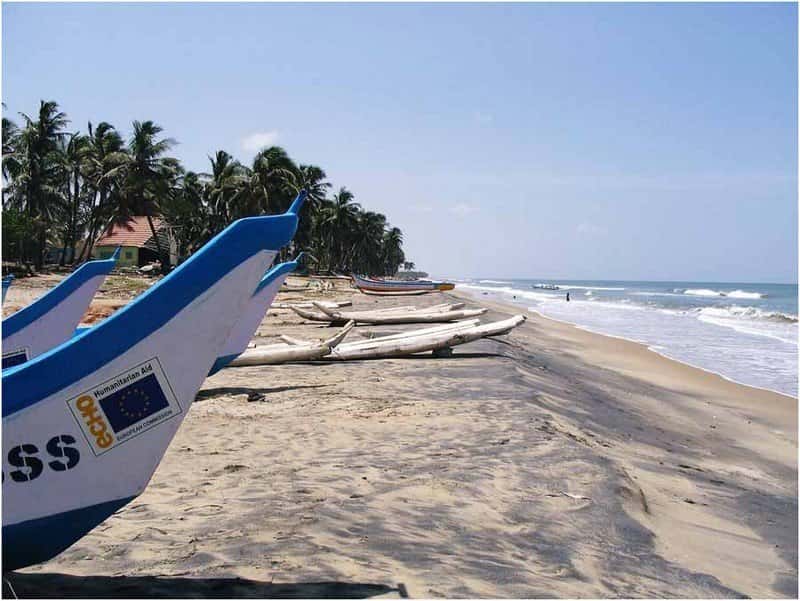
  • Muzhappilangad Drive-in Beach: Famous for being the longest drive-in beach in India, Muzhappilangad is a unique and beautiful beach where you can drive along the shore. The golden sands and calm waters make it an ideal spot for picnics, beach activities, and enjoying the sunset.
  • Payyambalam Beach: This picturesque beach is known for its vast expanse of golden sand, palm trees, and crystal-clear waters. It’s perfect for long walks, swimming, or simply relaxing by the shore. Payyambalam also has a well-maintained park, making it a family-friendly destination.
  • Thottada Beach: A relatively lesser-known gem, Thottada is a peaceful beach located near the village of the same name. It offers an uncrowded environment, making it ideal for those seeking solitude and a peaceful retreat in nature.
  • Meenkunnu Beach: Another serene beach located near the famous Sree Sundareswara Temple, Meenkunnu is known for its calm waters and untouched beauty. It’s a great place to relax, enjoy a swim, or watch the local fishermen at work.

2. Theyyam: A Unique Cultural Experience

One of the most distinct cultural experiences in Kannur is Theyyam, a traditional ritual art form that has been practiced for centuries in the region. Theyyam is a captivating performance, where dancers dressed in elaborate costumes and face paints perform to the rhythm of drums and chants, embodying gods, goddesses, and legendary figures.

Where to Experience Theyyam:

  • Parassinikadavu: A renowned center for Theyyam, Parassinikadavu is located about 16 km from Kannur town. The Muthappan Temple here is one of the most significant places to witness the Theyyam performances. The rituals take place from December to May, and witnessing them is a unique cultural experience.
  • Sreekrishna Temple, Trikarpur: Another place where you can witness Theyyam performances is the Sreekrishna Temple in Trikarpur, particularly during the annual Theyyam festival. The performance is a colorful and energetic spectacle that is deeply rooted in the local traditions of Kannur.

3. Forts and Historical Sites

Kannur is home to several historical sites and forts that offer a glimpse into the rich colonial past of Kerala. These forts not only serve as historical landmarks but also offer panoramic views of the Arabian Sea and the surrounding landscapes.

Forts and Historical Sites to Explore:

  • St. Angelo Fort: Located on the shores of the Arabian Sea, St. Angelo Fort (also known as Kannur Fort) is a must-visit for history enthusiasts. Built by the Portuguese in the 16th century, the fort was later used by the Dutch and the British. It stands as a symbol of the region’s colonial past and offers stunning views of the coastline. The fort also houses a small museum showcasing artifacts from the colonial era.
  • Tellicherry Fort: Built by the British in the 18th century, the Tellicherry Fort is another historical site worth visiting. Situated in the town of Thalassery, this fort offers a glimpse into the military history of the region. It is located near the sea and provides panoramic views of the surrounding area.
  • Arakkal Museum: Dedicated to the Arakkal dynasty, the only Muslim royal family in Kerala, the Arakkal Museum offers insights into the royal family’s history, culture, and legacy. The museum is located in the Arakkal Palace and displays artifacts such as old weapons, paintings, and royal attire.

4. Temples and Spiritual Sites

Kannur is also home to several temples, which are not only religious hubs but also architectural masterpieces that showcase the traditional Kerala style of construction. These temples are an essential part of the cultural fabric of Kannur and hold great religious significance.

Key Temples in Kannur:

  • Sree Muthappan Temple, Parassinikadavu: Dedicated to Lord Muthappan, this temple is one of the most famous spiritual sites in Kannur. The temple is located on the banks of the Valapattanam River and is known for the Muthappan Theyyam rituals that take place here.
  • Sree Sundareswara Temple: Situated in Meenkunnu, the Sree Sundareswara Temple is one of the most important pilgrimage centers in the region. The temple is dedicated to Lord Shiva and is known for its serene atmosphere.
  • Kottiyoor Shiva Temple: Located in the dense forests of Kannur, this ancient temple dedicated to Lord Shiva is one of the most important pilgrimage centers in Kerala. The temple is famous for its annual Kottiyoor Vysakha Mahotsavam, a grand religious festival.

5. Wildlife and Nature

For nature enthusiasts, Kannur has some beautiful natural spots that offer trekking, wildlife viewing, and the opportunity to immerse in Kerala’s green beauty.

Wildlife and Nature Attractions:

  • Iruvanjippuzha Wildlife Sanctuary: Located about 25 kilometers from Kannur, this sanctuary is known for its rich biodiversity and lush green landscapes. It is home to various species of flora and fauna, including elephants, tigers, and numerous bird species.
  • Pariyar Wildlife Sanctuary: Located near Thalassery, this sanctuary is ideal for those who want to experience Kerala's natural beauty up close. It is a great spot for birdwatching, nature walks, and photography.
  • Pythal Mala: Located in the Western Ghats, Pythal Mala is the highest peak in Kannur. The area offers scenic views of the surrounding hills and valleys, and it is a popular spot for trekking and nature walks.

6. Kannur Cuisine: A Flavorful Journey

Kannur offers a unique culinary experience, with traditional Kerala dishes that are flavorful and aromatic. The cuisine in Kannur is known for its use of coconut, spices, and seafood.

Must-Try Dishes:

  • Fish Curry: Kannur is known for its delectable fish curry, made with freshly caught fish and spices. It’s best enjoyed with Kerala parotta or appam.
  • Malabar Biriyani: Kannur’s Malabar biryani, made with fragrant basmati rice, tender meat, and a blend of spices, is a must-try for any food lover.
  • Sadhya: This traditional Kerala feast, served on a banana leaf, is an experience not to be missed. It includes a variety of vegetarian dishes, pickles, and traditional desserts like payasam.

Best Time to Visit Kannur

The ideal time to visit Kannur is during the winter months (October to March), when the weather is cool and pleasant, perfect for outdoor activities and sightseeing. The monsoon season (June to September) brings heavy rains, which may limit travel and outdoor exploration.

How to Reach Kannur

Kannur is well connected by road, rail, and air. The Kannur International Airport connects the town with major cities across India and the Middle East. The town also has a major railway station, with trains linking Kannur to cities like KochiChennai, and Bangalore. Road travel is convenient, with good highways connecting Kannur to other parts of Kerala.